

Travel Friction
When I was in college, a few of my friends and I decided to go on a road trip together to Southern California. We had known each other since freshman year, but once on the road, each of us seemed to have a different take on the best way to spend our weekend. Plans were vague, decisions were made by the loudest voice, and the car ended up in the shop. By the time we finally made our way home, we were desperate to get away from each other.
I learned something important on that trip. Who you travel with, and how they travel, can make or break your adventure.
When you travel, you approach it from a perspective that is unique to you. These unique traits include when you start your day, how you fill each day, and your priorities while exploring. The value of your experience hinges on doing things the way you expect to do them.
When we travel with others, especially within a shared space or limited timeframe, these expectations become more salient. Sometimes our goals are aligned, but some of our travel habits will be at odds with those of our companions.
Traveling with others can feel risky. Especially if it’s your first time traveling together. Like meeting a new roommate, it can be difficult to predict which habits you will have in common and which could become a major point of contention.
Travel Types
To help avoid major conflict, it is important to learn how both you and your companion approach travel.
Since that college road trip, I’ve spent countless hours cataloging the behaviors of my travel companions. The coworker who stuck to the itinerary religiously. The child who happily chased lizards instead of riding the roller coasters. The aunt who took us kayaking with dolphins. My mother, content to build sandcastles while we played in the waves.
Each person is unique. But as the list of data grew, I noticed patterns of similar behaviors. We discuss a full catalog of Travel Types in the book, but most travelers can be grouped into four basic categories: Impulsive, Organized, Active, or Relaxed.
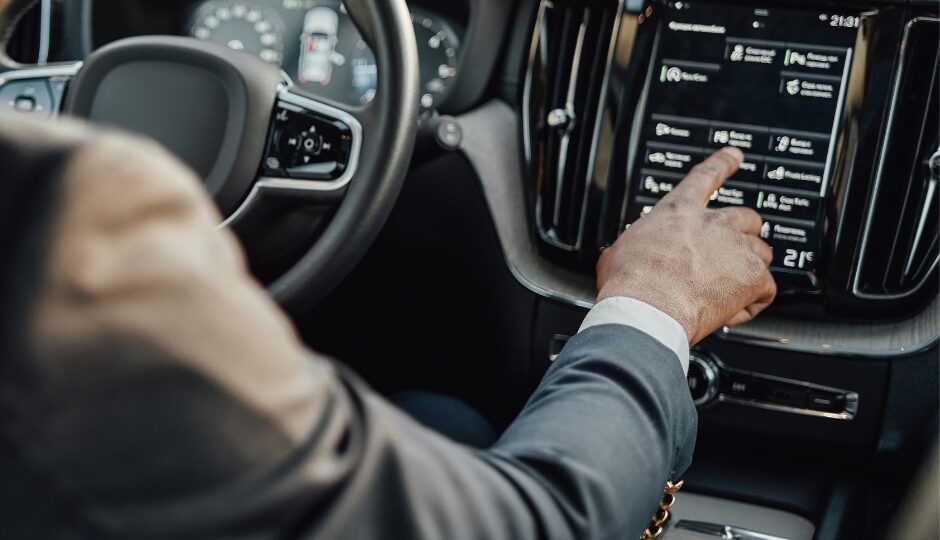
The Impulsive Traveler jumps right in and figures things out as they go, doing whatever interests them most in that moment.
The Impulsive Traveler books a flight on Tuesday for a Friday departure. They’ve Googled the city name once, maybe twice. Their motto? “We’ll figure it out when we get there!” They thrive on spontaneity, get energized by the unexpected, and see rigid itineraries as creativity killers. The idea of planning every meal three months in advance makes them break out in hives.
You might be Impulsive if: You’ve never made a restaurant reservation in your life, your suitcase gets packed the night before (or morning of), and the phrase “let’s just see where the day takes us” excites you rather than terrifies you.
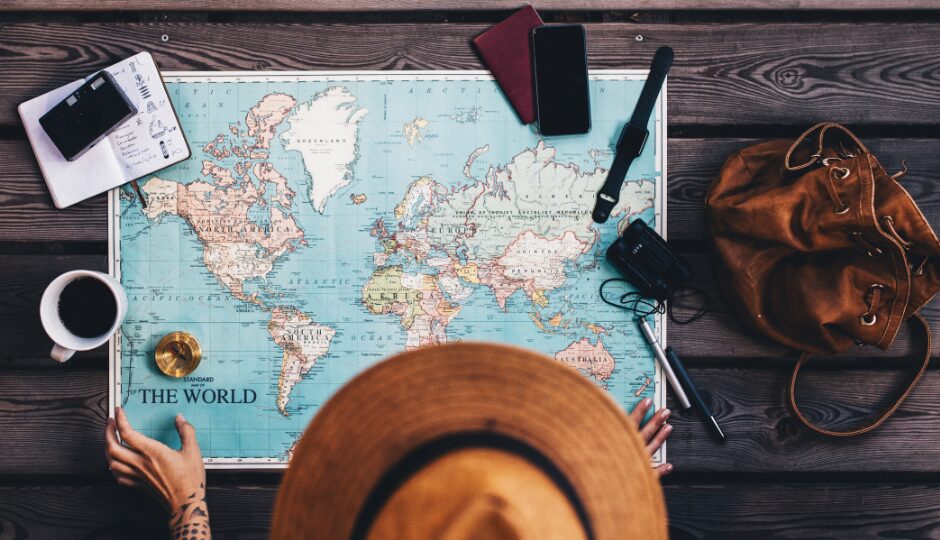
The Organized Traveler creates a full experience before they board the plane, then follows that plan without deviation.
The Organized Traveler has spent hours researching their destination, laboriously listing each detail that might possibly be of use. Their motto? “By failing to prepare, you are preparing to fail.” They thrive on checklists, get energized by itineraries, and see danger in spontaneity. The idea of not having a curated list of options in their back pocket, just in case, feels sacrilegious.
You might be Organized if: You got an A+ in every class—even gym, you start making lists the moment the trip is confirmed, and you’re always thinking three steps ahead.
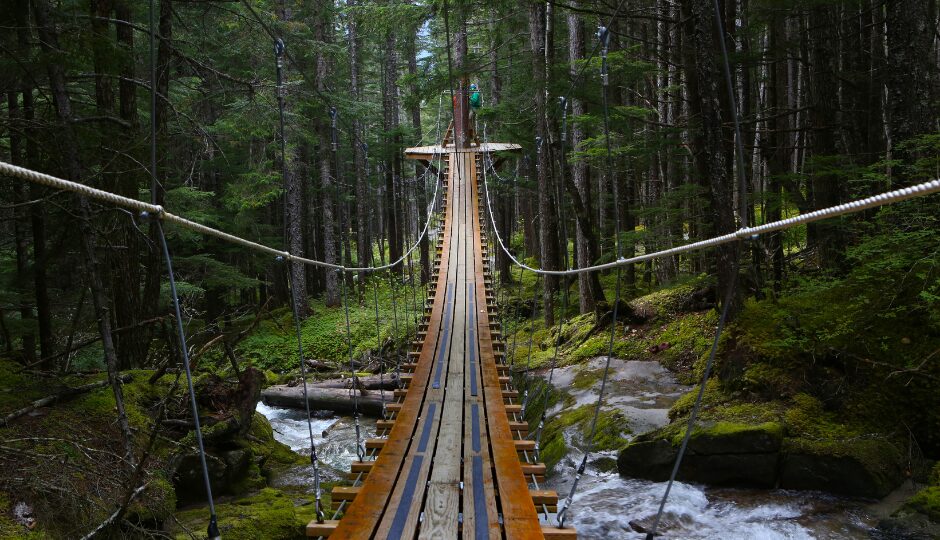
The Active Traveler wants to move and interact as much as possible, gathering experiences to share online or in person; their priority is maintaining high energy levels.
The Active Traveler doesn’t have an off-switch. They’ve hiked every national park and posted proof on Instagram. Their motto? “Life is short, play hard.” They thrive on competition, get energized by movement, and see sitting still as wasting time. The idea of experiencing something amazing and not telling everyone about it feels like a waste.
You may be Active if: Your vacations are scheduled based on marathon dates, you only pack active wear or athleisure clothing, and jumping out of an airplane is on your bucket list.
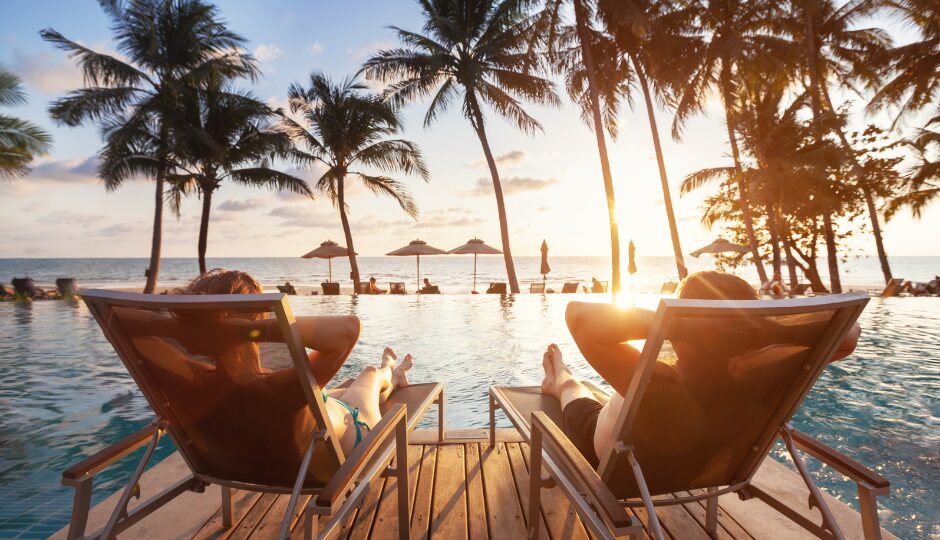
The Relaxed Traveler wants to be still and unwind as much as possible; observing and recovering are their main objectives.
The Relaxed Traveler is focused on escaping everyday life. They need to recharge, free from stress and schedules. Their motto? “Rest is productive.” They thrive on creativity, get energized by natural environments, and and find observation as fulfilling as participation. The idea of fighting crowds of tourists is overwhelming unless someone else is playing tour guide.
You may be Relaxed if: You pick your hotel based on its spa offerings, your suitcase is filled with books or magazines, and your idea of a good time is spending hours wandering through a famous museum.
Your Travel Habits
Ready to learn your specific Travel Type profile? Take our Travel Types Quiz.
You are likely some combination of these types. My own travel habits are split right down the middle. You may cycle through each one in a regular pattern, or you may be a mix of behaviors. This is not a problem. Your approach to travel will change depending on your current needs, preferences, situation or destination. I am definitely not an active traveler when I’m pregnant and I cannot sit still if I’m visiting a big city. What matters is that you know which type you identify with in your given situation. Knowing your approach allows you to plan appropriately.
Think about the Travel Types listed in your quiz results. Take a moment to consider your travel habits through this new lens. Think back to previous vacations to find moments when this approach was obvious. Consider moments that were frustrating. Try to identify the source of that friction so you can prevent it on future trips.
Your Travel Type should help to frame your personal travel expectations in a way you can clearly explain. Each habit, whether sleeping in, wanting the freedom to explore, or choosing a hotel with a ski-in/ski-out option, should make sense now that you understand your key preferences.
Now that you understand your own travel DNA, let’s talk about compatibility.
Choosing A Travel Partner
Use your Travel Type to inform your next vacation. Understanding your personal approach to travel allows you to maximize your experience each time you get away. These four travel types allow us to predict and prepare for traveling, whether solo or with others.
Traveling solo? You can define the exact experience you want and select the approach that works for each trip.
If you want to live in the moment, be ready for it by staying in a neighborhood with lots of activity and restaurants at hand. If you don’t want to think or move, choose an all inclusive resort that will let you order lunch from your pool chair and provides towels on the beach.
Traveling with others? Look for a travel partner who pairs well with your own travel type. Those who have a similar approach to schedules, activities, and energy level will typically be on the same page.
Sometimes our best travel partners have opposite preferences. As with personalities, these pairings are unexpectedly synergistic. Each type has a skill set that can be combined with others for maximum benefit.
I once spent a weekend in New York City with my sisters. We all had very different ideas of what we wanted from that trip. One of us was an Active personality, focused on having a true NYC experience. She wanted to go shopping, get tickets to the late night shows, and see a Broadway musical. One of us was a Relaxed traveler, who wasn’t so keen on visiting dozens of clothing stores. I was, in case you haven’t guessed it, the Organized traveler. For me, this trip was about spending time with my sisters. So even though it wasn’t my thing, I was happy when we ran all over the city together to find the perfect dress, or when we stood in a ridiculously long line to get tickets for the Tonight Show.
Although finding Broadway tickets and navigating taxis was easy for me, I would never have had the energy to stand in line at 5am for those Tonight Show tickets if it wasn’t for my sister. But I loved watching Jimmy Fallon live. It’s a highlight of that trip. Her drive to get those tickets changed my experience for the better. And yes, we let the Relaxed traveler stay at the hotel.
Destination Pairings
Here’s the good news: with the right destination, any pairing can work. The key is matching your trip type to your travel type combo.
Here are a few we like best and why they work.
Amusement Park — Organized + Active
This pairing works because major theme parks require months of advanced planning to get the full experience but they also require high energy levels if you want to see everything.
The Organized traveler downloads the app and spends hours talking to people on the FaceBook groups to be sure they know where to eat, which rides are worth the wait, and the best spot to watch the parades. They make reservations for rides and meals, and ensure everyone is in the right place at the right time. They also create and send their travel partner a packing list, just in case.
The Active traveler wakes up at the crack of dawn to be sure they get to the park before it opens. They run from ride to ride, stopping only when forced by an existing reservation or the need to stake out their spot for the parade. They love skipping lines with their special passes, and scan for the ride photos without being prompted.
At the end of the day, each traveler is satisfied. The Organized traveler followed their ideal itinerary and the Active traveler was able to experience more of the park than they could on their own.
Pro Tip: Don’t hesitate to make last-minute changes when necessary.
Beach — Relaxed + Impulsive
This pairing works because the beach offers both activity and relaxation within the same 100 yards of sand.
The Relaxed traveler claims an umbrella spot at 9am and doesn’t move except to rotate for even tanning. They’re perfectly content with a book, the sound of waves, and absolutely zero agenda.
Meanwhile, the Impulsive traveler tries paddle boarding, walks three miles collecting shells, strikes up conversations with strangers, and discovers a hidden beach bar.
At the end of the day, they reunite at the same sunset spot, both completely satisfied. The Relaxed traveler got their peace. The Impulsive traveler got their adventure. Everyone wins.
Pro Tip: Book accommodations directly on the beach so you can easily separate and reunite without coordination stress.
City — Organized + Impulsive
This can be a tricky combination, but has the potential to be a perfect pairing. If the Organized traveler is flexible and the Impulsive traveler is open to guidance, they can explore for hours without friction.
The Organized traveler becomes an immediate expert on the destination city. They research restaurants, attractions, historical landmarks, transportation, and every point of interest. They can’t help but have an entire catalog at the touch of a finger once they arrive, but they keep it as a reference only; no itineraries on this trip. They book a hotel in the perfect neighborhood for unplanned exploring, guiding their partner gently when they want a specific experience. If reservations are necessary, they choose to keep it as a last-minute surprise for their partner and make sure it is refundable.
The Impulsive traveler is spontaneous, stepping out of their hotel and embracing the unexpected. If the planner has done their job, there will be unique finds everywhere they look with no need for reservations, or very minimal scheduling.
Both travelers get to play to their strengths and benefit from the other’s skills.
Pro Tip: Agree early on how to approach scheduled activities; for example, assign a specific neighborhood to explore each day or have one dining reservation each day to work around.
Foodie Tour — Relaxed + Organized
This pairing works because it maximizes the Organized traveler’s strength while catering to the Relaxed traveler’s creativity and low stress needs.
The Organized traveler discovers every quality culinary experience in their destination. They spend hours ranking, locating, and mapping out the perfect menu and route. They pick up their Relaxed companion from their room, forcing them to get out and see their destination, knowing they will change their tune once they taste the first bite.
The Relaxed traveler protests at first, but allows their companion to guide them from table to table. It doesn’t take much energy to simply follow along, and they enjoy the slow pacing, easy interactions, and intriguing flavors.
This combination allows the Organized traveler to share their hard work with someone who is sure to appreciate it.
Pro Tip: Keep the distances between meals walkable. This enables quick digestion as well as giving you a chance to discuss each experience in depth before moving to the next one.
High Adventure — Active + Impulsive
A high adventure tour is the perfect choice for this pairing. Whether it’s hiking to the peak of Mount Fuji or zip lining in Costa Rica, this pair is ready to go.
The Active traveler is up and out early each day, and brings unstoppable energy to each new challenge. They make new friends, push their limits, and document every step.
The Impulsive traveler echoes their companion’s energy, but follows their own sense of adventure. They explore each new setting, finding hidden trails, stunning vistas, and tasting local delicacies.
This combination will find true synergy as they explore and experience their destination.
Pro Tip: Be sure to plan a recovery day once you get home.
Cruise — Relaxed + Active
Cruise ships work because they offer a little bit of everything, along with a group to join if you’re on your own.
The Active traveler books an excursion at every port. They spend their days on the upper decks, surfing, swimming, and riding the water coaster. They run the 5K on the private island. Their evenings are filled with disco parties, dance contests, and an occasional show shared with their companion.
The Relaxed traveler seeks out the best sunbathing spot on the ship and acts as a home base for their counterpart. By the time they reach the private island, they’re ready to swim and stroll a bit. Excursions take effort, but since these are hosted by a guide and must be short due to the cruise schedule, they’re wiling to participate when their companion insists.
These two play well separately, but spend time together on a mellow excursion or a leisurely stroll, and they both enjoy dressing up for fine dining each night.
Pro Tip: Be sure the ship you choose offers a wide variety of options. Opt for an ocean cruise rather than a river cruise.
When You’re Mismatched
So now you know your type and who you travel well with, but what if you’re already committed to a trip with someone who’s your opposite? Here’s how to make it work.
Be flexible. In most of our pairings, flexibility is the key to making mismatched travelers work well together. If you are willing to see things from a different point of view, or able to find a compromise, what seems like a bad pairing at the start can become highly synergistic. Focus on your strengths and work to find a healthy balance of experiences that appeal to both of you.
Communicate. If you are already in the middle of your trip, do your best to quickly understand how your travel partner thinks. Observe their actions and watch for their preferences. If you haven’t left yet, ask them what planned activities are the most important to them. Learn their expectations and share your own with them.
Pick your priorities. If you are not on the same page as your travel partner, some plans may need to be altered. It is difficult to meet everyone’s expectations within the limited time constraints that are inherent to travel. Think of your trip as a day at the amusement park with a group of friends. Take turns picking your experiences or do your best to complete each person’s top three items. Creating a plan that includes each travel personality can help ensure everyone enjoys at least part of the experience.
Remember, you don’t have to do everything together. Spending a portion of your trip on your own, like our beach example, can sometimes be the best way to enjoy your vacation.
For Larger Groups
If you have multiple types in your travel group, you may need to take additional steps to ensure a positive experience for everyone.
My family is a combination of all four travel types. My husband is typically an Impulsive traveler. But if I schedule travel during busy times of the year, he swaps to a Relaxed traveler. He doesn’t have the headspace to explore or focus on fine detail; he just wants to enjoy the ride. Since I know his habits, I can plan to be the tour guide on trips when he has less energy. And since I know we have four different types of traveler in our group, I work to be sure there is a little something for everyone.
Here’s how I do it:
Prepare. Expectation is the mother of all disappointment. Learn your group’s types and preferences so you can manage expectations. If they won’t take the quiz, observe or discuss their travel preferences. Know what their travel habits are and learn what they’re looking forward to most on this specific trip.
Discover. Identify where your group is in alignment as well as potential pain points. Find destinations that will allow synergy. Look for options that accommodate multiple types. Make a list of what you will likely enjoy doing together and where you might consider separate activities.
Plan. Choose destinations and activities that will allow synergy between travel types. Work to be sure there is something for everyone. Stay flexible. Having fun together creates the best memories.

Happy Travels
So now, before you book that couples’ trip to Italy or commit to the upcoming family reunion cruise, take ten minutes to identify your travel types. Learn their preferences now, so you know who really wants to join the excursion and who would be happier staying on the ship with Grandma.
That college road trip may not have been ideal, but I still walked away with some great photos and an even better lesson. Who you travel with matters. And the best memories don’t happen by accident. They happen when you understand yourself, understand your travel companions, and work to create experiences that respect each person’s needs.
Life is short. We may only get one chance to explore a destination. Take the time to learn how to make your next journey epic.
Ready to learn your specific Travel Type profile?
Take our Travel Types Quiz now.
Copyright © 2026, Erin Zepf Uda / Well Worn Paths. All Rights Reserved.
No part of this publication may be reproduced, distributed, or transmitted in any form or by any means, including photocopying, recording, or other electronic or mechanical methods, without the prior written permission of the publisher/author.
related posts