
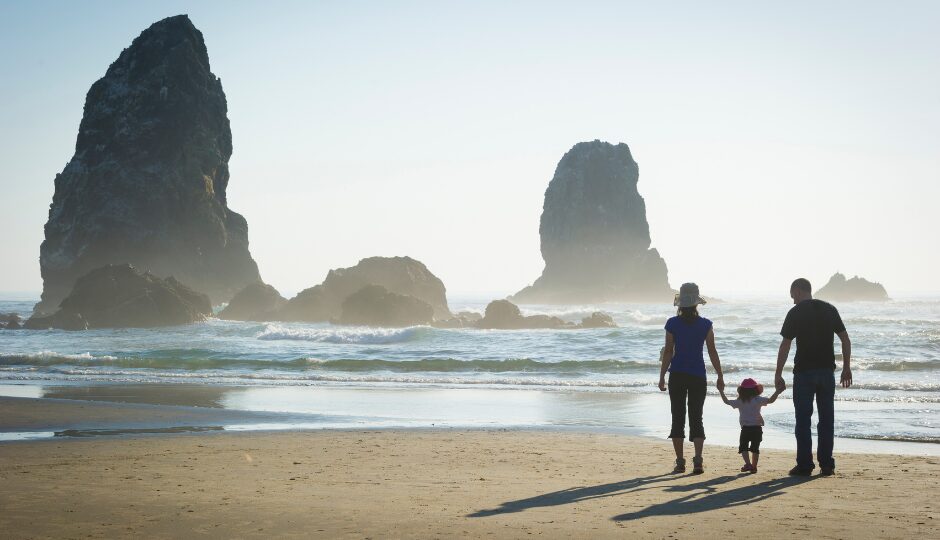
You’ve spent a small fortune on a family vacation. The destination is perfect. The hotel is beautiful. Everything should be magical.
So why are your kids fighting in the hallway while you’re desperately suggesting yet another family activity? Why does every attempt at togetherness feel forced? How do you plan vacation time so your kids actually want to spend time together?
After 25 years of family travel, I have learned that the best bonding doesn’t happen when you force it. It happens when you create the right conditions and then get out of the way.
Instead of orchestrating every moment, focus on these five conditions that naturally encourage connection. When you get them right, your kids will choose to spend time together—and actually enjoy it.
If your family has trouble creating quality time on vacation, try these five tips:
Give Each Other Your Undivided Attention
When you’re together, focus on each other. Be present and try to connect with each other through what you’re doing.
People naturally want to be seen and heard. Making good memories is about creating an experience we want to remember. If we feel part of a team, appreciated and noticed, this creates feelings of belonging and friendship that make a moment special and meaningful.
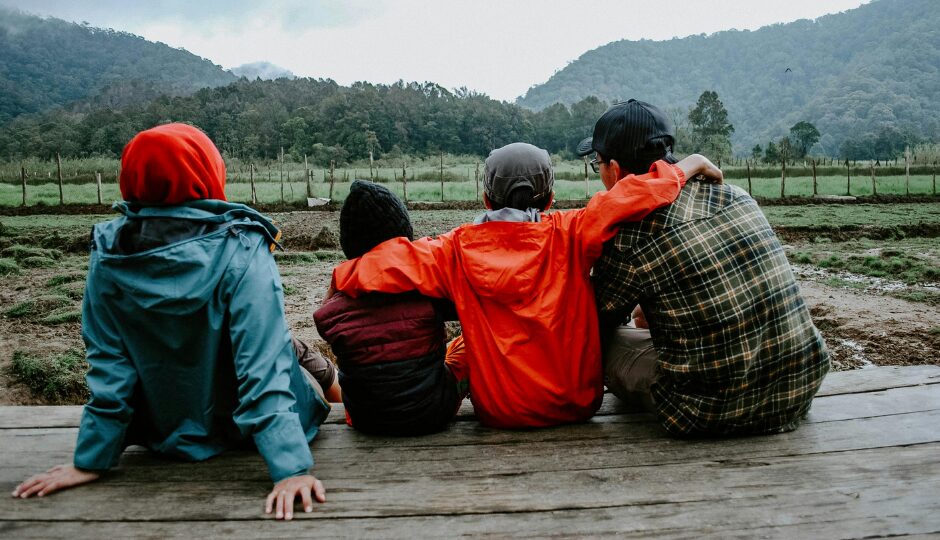
We always start our ski days with a family run down a green; almost like going around the lazy river at a waterpark, it lets us get our ski legs under us, and allows us to have at least one run that we all do together, even though we’re all at different skill levels. Some of our favorite memories are of going down the mountain in this chain style where we follow a leader and are relaxed and together.
Meals are also a great time to connect. This is one of the best times to get their dad’s full attention; work waits while you eat, so we try to make the most of it. We like to play a game called Compound, where we string words together using a pre-defined pattern. The kids are engaged, thinking, and don’t notice the time fly by while we are all interacting.
It doesn’t matter what you do, as long as you involve everyone and focus on making positive connections, no matter how small.
Wear Them Out
When you spend a lot of time in a group, it can be overwhelming when the kids are bouncing off the walls at the end of the day; usually in a confined space such as a hotel room or guest bedroom. To counter this, be sure to plan at least one activity each day that requires a high level of energy.
The best bonding happens when kids are tired physically, but still mentally energetic; they’ll find ways to interact that don’t involve bouncing off the walls, making it easier to hang out in a confined space.
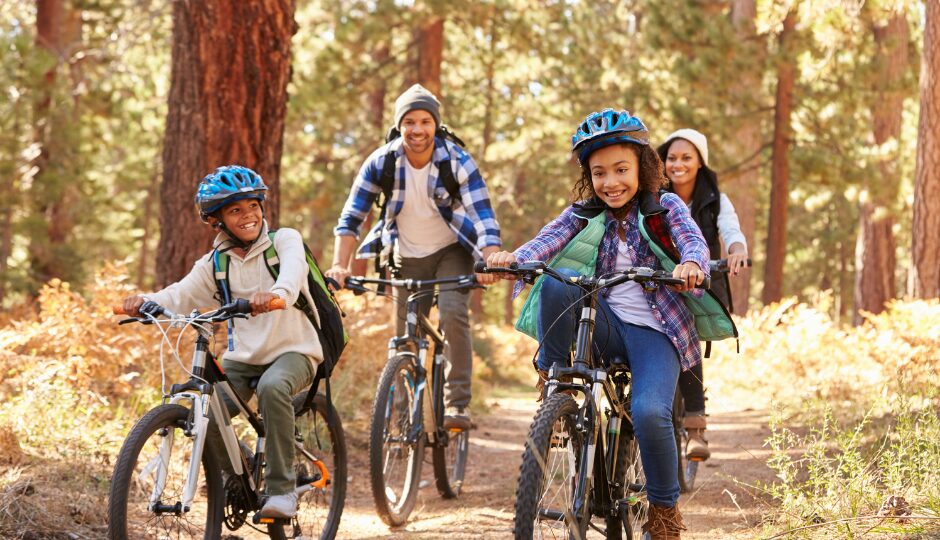
My favorite example is Disney, where we spend a solid portion of the day in the parks, then head back to our room fairly early. We chill in our room, giving our bodies a chance to rest, but the kids are still hyped up from our fun adventures that day. We let them wind down while we play board games (we love to get these as our souvenir on day one), watch the fireworks from the balcony, and snack on stuff we have in the room. They don’t want to go anywhere else — they’re too tired — but they’re happy to interact quietly and still want to relive their favorite experiences from the day, so they have a lot to talk about as they play. It creates an ideal bonding opportunity. And you don’t have to do a thing other than provide snacks and games in the room. They do it all on their own.
Hikes, sports, and other demanding physical activities are key to making this work. It may take more than one activity to wear them out, but you’ll find they settle down quickly once you give them an activity they can do while resting their body. Try card games, movies, or let them choose their own activity.
Stick To A Familiar Routine
Keeping to a familiar schedule is important, even when your kids are no longer young. Try to keep your morning, meal, and bedtime routines in place. If your child still takes naps, do your best to protect that cadence.
Knowing what comes next allows us to feel a sense of stability even in unfamiliar places. Kids do best when on a schedule; nap time, bedtime, mealtime; all of it affects their ability to adapt. If your kids are overtired or hungry they will not be able to enjoy the fun activities you have planned. If you can’t keep to your schedule, plan for their needs by packing snacks or allowing them to sleep in after a late night. You’ll find they have better attitudes when they know what to expect and their physical needs are taken care of.

I personally am no fun to be around if I don’t eat regularly. Because of that, I always have snacks or a plan to stop and get a favorite treat whenever I know I’m burning extra calories or we’re going off schedule.
I also pack a favorite breakfast treat for our first morning away from home when we travel with the kids. This tiny splurge helps make waking up after a long day of travel easy and enjoyable. It’s become part of our vacation routine now, and the kids always look forward to it.
We find that we settle into a unique vacation routine when we travel, especially when we’re visiting familiar destinations. We simply pick up where we left off last visit and the kids love the familiarity of returning to their favorite places.
Try creating a routine that’s loosely based on your existing schedule but brings a bit of fun and excitement along with it. You’ll be surprised by how much your kids look forward to this vacation routine.
Respect Their Space
It’s important to give each child their own spot. This includes a space assigned for sleeping as well as for storing their things.
Smaller spaces can be fun if done right; when we have forced proximity, we adapt and minimize nonessential needs. But knowing where to cut space is the key. Assigning each child their own personal area is vital to keep emotions from reaching a boiling point. Non-ideal sleeping conditions can lead to cranky children or parents the next day, negatively impacting your experience. It is easier to request an extra bed than it is to fix a sleepless night or referee fights over territory.
We learned this the hard way. My kids’ sleeping habits are complete opposites. One stays in the same spot and rarely moves; the other is a blanket gator, rolling up in the blanket and tossing and turning all night. We have tried everything to make them share a bed on vacation, but no matter what we do, the entire room loses sleep as they fight for space, waking everyone up in the process. Once we finally decided to give them each their own bed, they sleep like angels and everyone in the room gets better sleep.
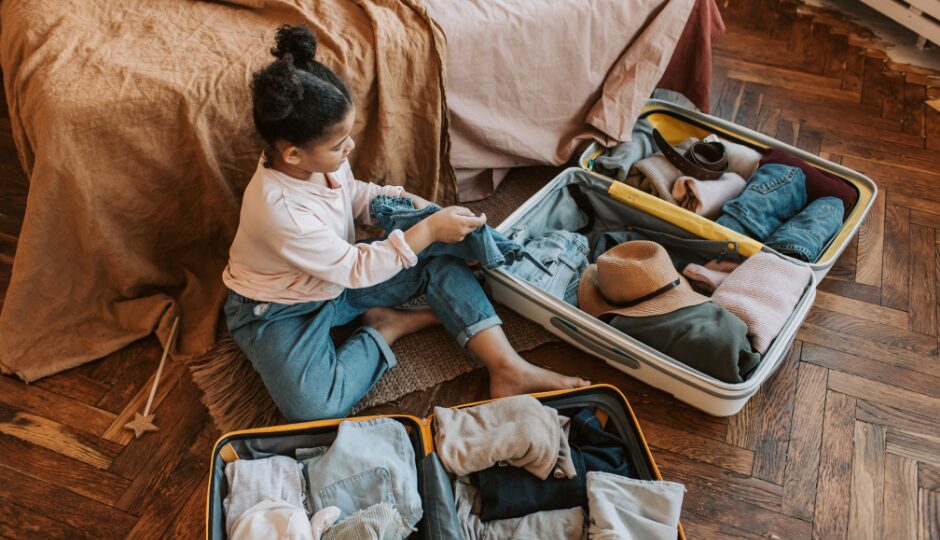
Having a living area in your hotel is also useful, as it gives your group more space to spread out, be creative, and get their wiggles out when you’re too tired to leave the room. Look for lodging that offers plenty of space. We always book a specific room number at one of our favorite hotels because it is the only one big enough to request a roll-away bed.
Keep your family’s habits in mind when making room assignments. When the budget doesn’t allow for separate rooms, there are other options. Request a roll-away bed when making hotel reservations, pick a family room with bunk beds, or look for an Airbnb with lots of couches, air mattresses, or cots.
Plan Downtime
Every vacation needs some unstructured time where the kids are free to do whatever they choose. You, as parents, should be in a different room; available if needed, but not interacting or supervising too closely.
This unstructured time is important. After a long day of activity or discovery, children need a chance to relax and process their experiences before heading straight to bed or to the next event. This downtime gives them a chance to relive their adventures while their minds are busy storing new memories. Parents also benefit when they take a few minutes to relax and recover before moving on.
This downtime is especially vital for any introverts in your group. Give them a chance to sit and gather their thoughts, even if others are still active. They’ll join when they’re ready.
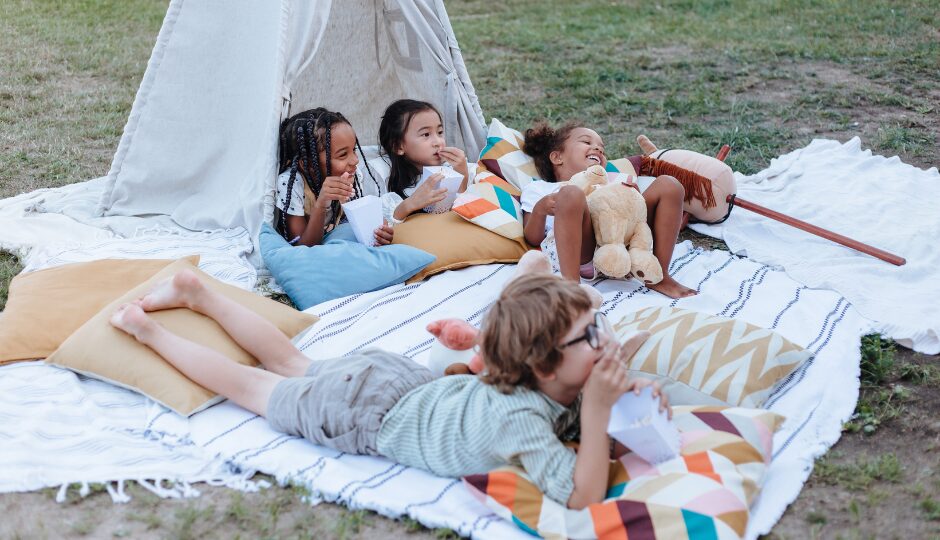
Schedule time to sit and rest during your vacation. It doesn’t have to be at the end of the day; but this time works best when it comes after a big activity. These casual moments are where the best bonding happens. Let this time be relaxed and completely on their terms. Let them build a couch fort. Let their toys stay scattered around the room. You can always clean it up later. The memories are worth the mess.
After skiing or a big activity, we turn our kids loose in the hotel room, giving them time and space to relax together; they always surprise us with the way they come together, building pillow forts, watching a movie together, or just telling silly stories. We love to hear their giggles and fun from the other room as we relax in our own space. These are the moments we remember most vividly once the trip is over.
Putting It All Together
Bonding happens naturally when you set up the right conditions instead of forcing it.

Use these five techniques on your next vacation and you will find that the people in your group become more open, fun, engaging, and relaxed; setting the stage for creating bonds and memories strong enough to last a lifetime.
You may even find that your kids actually WANT to spend time together.
Copyright © 2026, Erin Zepf Uda / Well Worn Paths. All Rights Reserved.
related posts