
How do we take care of our health in the digital age?
Wellness has been at the front of our collective mind for almost a decade now, with interest intensifying due to the pandemic. But the concept can still feel vague and undefined.
We are told to improve our nutrition, exercise, and self-care; but rarely stop to consider why. Why must we focus so intently on doing things that should simply come naturally?
The answer is in the way our world has evolved.
Our environment is fundamentally different from the one our ancestors experienced. In the last 100 years we have made more technological progress than in the previous 100,000. But that focus on increasing technology has left our bodies and minds searching for balance, desperately struggling to keep up with biological requirements as we push ourselves beyond normal limits and into unnatural patterns.
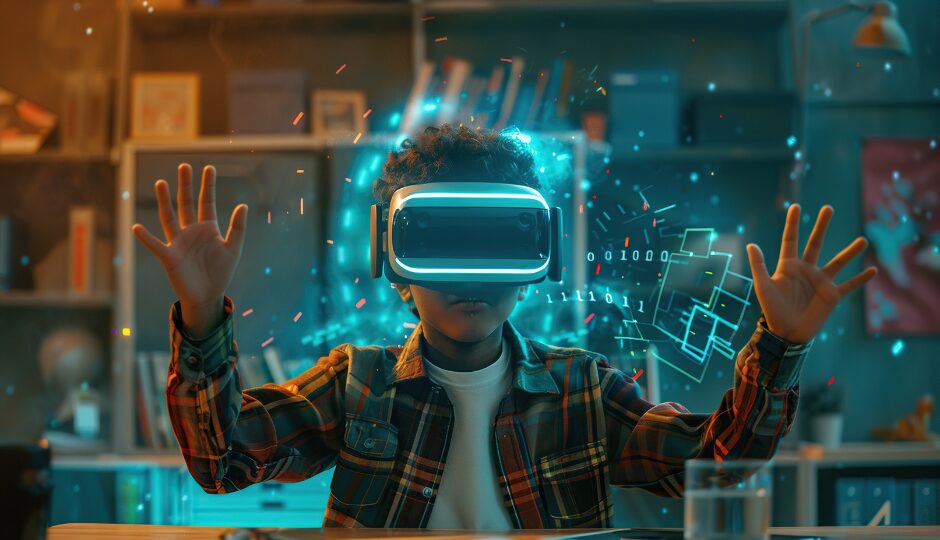
We live in concrete jungles; houseplants are the only nature encountered regularly and many of them are plastic. We stare at screens all day, unaware of how it changes the chemistry of our eyes and mind. We sit hunched over our keyboard or perform repetitive motions, allowing our bodies and muscles to tighten and warp. We wake up early and stay up late, ignoring our circadian rhythm and bringing our hormones and stress levels out of balance.
It is no wonder that we are searching for a way to feel better.
Health in the Digital Age
I have come to the conclusion that wellness is the act of being mindful about what we have lost in the digital age and intentional about how we bring it back into our lives to reclaim balance.
Wellness works to restore equilibrium between our digital and analog selves. But that harmony is a moving target; it is difficult to achieve and maintain in our current environment. Many of the technology-driven pressures increasing our digital exposure are unavoidable, both at work and at home. Even when we make a concerted effort, we feel out of balance more often than not.
Equilibrium, then, is not a destination. It is a continuous journey that requires ongoing practice.
I find there are four practices that help me to slow down and rebalance my digital and analog selves. These are mindfulness, movement, nature, and aesthetics.
Mindfulness
Mindfulness is the practice of letting go of the digital world long enough to tune into analog needs. It is the act of looking in on your life from an outside perspective. We can’t see how our bodies are out of alignment until we learn to zoom out and observe ourselves from a slight distance.
Slow down and take time to identify the imbalance. Become more aware of how your body feels and functions. Observe where technology has overtaken analog and seek rebalance.

Mindfulness helps us to be present, achieve awareness of our current state, and gain a broader perspective of what influences our mind and body.
This can be achieved through meditation, breathing practices, sensory grounding methods like 5-4-3-2-1, or focused sensory experiences. Practice letting go of the digital world and slipping into a mental state that allows you to focus specifically on analog needs.
This self-awareness helps us to see clearly where things are out of alignment and how to rebalance.
Movement
Movement is the practice of analog flexibility and physical alignment.
Your muscles were meant to be used in very specific ways. Movement helps to undo the abuse and overuse of certain muscle groups due to technology-driven habits.
Eastern wisdom tells us that our bodies don’t become stiff and sore due to age, we’ve simply stopped moving. If we can keep our flexibility, we can stay healthier for longer.
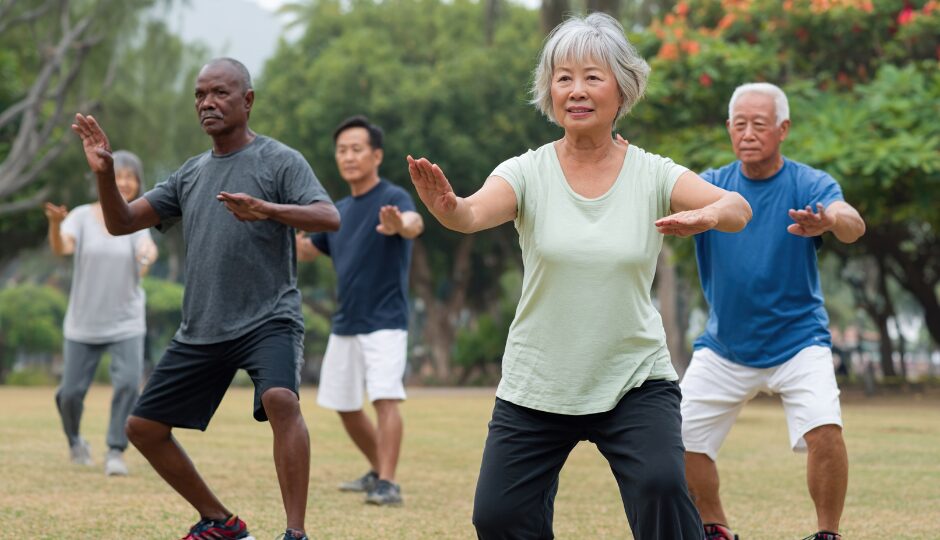
Movement doesn’t have to be high-impact. Learn tai chi or yoga to stretch all the major muscle groups in a single session. Go for a walk to encourage lymphatic circulation.
Practicing with a group can provide accountability, connection, and shared commitment. Many cultures promote group stretching in nature to amplify the healing effect.
Activities that bring your body into alignment will naturally bring you closer to equilibrium.
Nature
When we immerse ourselves in the sounds, patterns, and rhythms of nature, we leave technology behind and enter a fully analog state.
Allowing ourselves to be in tune with nature changes our rhythms. It slows our heartbeat, lowers cortisol levels, supports immune function, and lifts our entire mood. When we actively connect with nature, we experience improved focus, sleep, and overall well-being.
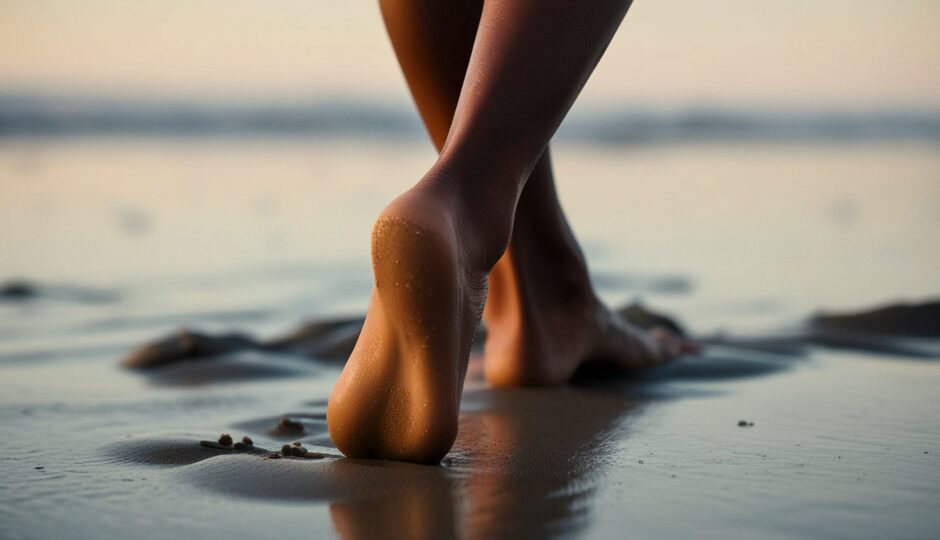
The absence of nature in our lives dramatically affects our equilibrium, leaving us out of balance. Practices such as forest bathing or intentional time outdoors can help us to feel like ourselves again. Try walking barefoot in the grass or simply bask in the sun for a few moments.
Engaging with the natural world can be deeply restorative. Place a vase of colorful flowers on the table. Open the widows and listen to the birds. Splash in rain puddles. Enjoy a picnic in the park. These actions help us to slow down, notice, and re-engage with the physical world around us.
Our analog selves feel most at home in nature. Take time to re-attune your mind and body to the natural world.
Aesthetics
Aesthetics is the practice of sensory appreciation, our response to beauty. When something is visually pleasing it often evokes a physical reaction; a pause, a breath, a sense of calm or delight. We experience this response when we encounter beauty in art, nature, and even within ourselves.
Beauty draws us back into the analog world. It invites us to slow down, step out of constant motion, and regain perspective. Through art and beauty, we are reminded of our shared humanity and our remarkable collective history. We are reminded that we are all contributors to something larger than ourselves, no matter how small our own role may seem.
Surrounding ourselves with beauty is an intentional act. This includes how we treat our own bodies. Caring for the body by keeping it functional, nourished, well-dressed, and well-maintained is an extension of aesthetic appreciation. Routines such as nutrition, hydration, skincare, and personal care are not superficial. They reinforce respect for the physical form through which we experience life.
Pausing to appreciate beauty gives weight to the tangible, physical aspects of our lives. It strengthens our connection to the world around us and, in doing so, deepens the equilibrium within ourselves.
The Wellness Prescription
It is notable that each of these practices can be found in a spa, the very center of the wellness movement. This intentionally analog environment is a powerful antidote to the physical neglect we practice in the course of our technology-bound, modern lives.
Spas, then, could be seen as a health care facility for the digital age. We are expected to meet with our doctor or go to the gym on a regular cadence; visiting the spa should be no different.
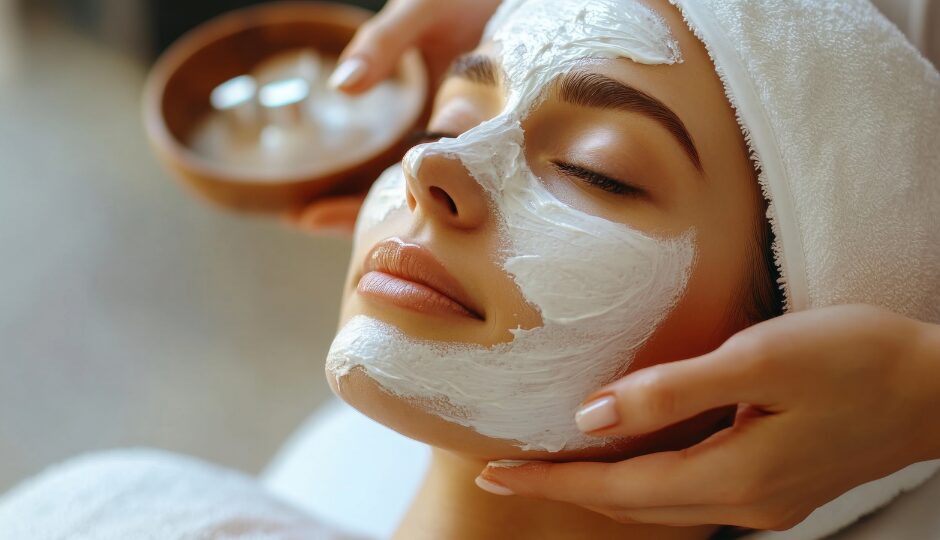
Regular spa attendance would provide an opportunity to restore your personal equilibrium through expert analysis, instruction, and practice. Adopting a wellness routine, no matter how you choose to practice, allows for a more complete, holistic approach to health. A proven path to equilibrium.
Perhaps it is not such a bad idea to indulge.
related posts